Why a Contractor Web Design Company Should Focus on Speed, Simplicity, and Clear CTAs
@servicewebhandbook851
A contractor’s website does not need to be flashy to work well. In fact, the sites that bring in calls usually do the opposite. They load quickly, they stay easy to use on a phone, and they make it obvious what the visitor should do next.
That matters because most people looking for a roofer, plumber, electrician, or HVAC company are not browsing for fun. They have a leak, a dead outlet, a unit that stopped cooling, or shingles missing after a storm. They want help now, and they do not want to fight through a slow homepage, a maze of menu items, or a form that feels like a mortgage application.
This is where a good contractor web design company earns its keep. Strong contractor website design is less about decoration and more about reducing friction. If a visitor lands on your site and can immediately tell what you do, where you work, and how to contact you, the website is doing its job. If they have to pinch and zoom on mobile, wait for giant images to load, or hunt for the phone number, the site is getting in the way.
Google’s own guidance lines up with what contractors see in the field. Keep important information above the fold. Make pages mobile-friendly. Avoid heavy pop-ups. Use simple navigation. Help people take action in as few steps as possible. Those are not abstract best practices. They are practical rules for lead generation websites for contractors.
Speed is not a technical vanity metric
A slow site costs attention first, then trust, then leads.
When someone searches for emergency plumbing website design examples or looks for a local HVAC website design company, they are usually doing it on a phone. Google has said mobile-friendly pages matter because many searches happen on phones, and that mobile pages that load slowly lose visitors. Anyone who has watched a homeowner try to book service on a laggy mobile site already knows this without needing a report.
The problem is not only that people get impatient. Slow pages also make the business feel disorganized. A site that takes several seconds to show basic information gives the impression that the company itself may be slow to respond. That is not fair, but it is real.
In home service website design, speed starts with restraint. Contractors rarely need oversized sliders, splash animations, or full-screen videos on the homepage. Those features often look impressive in a sales presentation and underperform in the wild. Most visitors are not grading the visual effects. They are asking a shorter question: can this company help me, and how do I reach them?
I have seen the same pattern across websites for contractors in different trades. Roofing website design, HVAC website design, plumbing website design, and electrician website design all benefit from the same discipline. Keep image files reasonable. Do not bury the main message under decorative elements. Do not interrupt the first screen with aggressive pop-ups. Show the service, the area, and the contact option right away.
Google also warns that hard-to-crawl, slow, or inconsistent mobile pages can hurt visibility under mobile-first indexing. That means speed is not only about user patience. It can shape how well a site performs in search. For local SEO for contractors, those technical basics have a direct business impact.
Simplicity respects how people actually hire contractors
Some service business owners worry that a simple website will look too basic. Usually the opposite is true. Clean, focused pages tend to look more professional because they communicate confidence. The company knows what it does and does not need a dozen distractions to fill the screen.
Simple does not mean thin. It means organized around intent.
A homeowner landing on a contractor’s site wants a few pieces of information quickly. They want to know whether the company offers the service they need, whether the company serves their area, whether the business appears legitimate, and how to get in touch. If those answers come easily, the rest of the site can support the decision. If those answers are hidden, most visitors never get far enough to appreciate the rest.
This is why website design for contractors should avoid overbuilt navigation. A home service business usually does not need ten top-level menu categories. A tighter structure often performs better. Service pages, service area information, reviews, photos, and contact details go much further than a menu packed with company trivia.
Google’s recommendations support that approach. Keep key information above the fold, use simple navigation, and avoid heavy pop-ups. It sounds obvious, but many contractor sites still make common mistakes. They hide the phone number in the footer. They put the quote form behind multiple clicks. They ask for too much information too early. Or they let visual clutter compete with the one thing that matters most, which is starting a conversation.
A strong homepage for contractor website design usually makes five things easy to find:
- the main services offered
- the areas served
- a phone number or click-to-call button
- a short form for estimates or service requests
- proof of trust, such as reviews or real project photos
That is not revolutionary. It is simply useful. The reason it works is that it matches the way people evaluate local service providers under time pressure.
Clear CTAs remove hesitation
The best contractor websites do not leave visitors guessing. They ask for the next step plainly.
A CTA, or call to action, should feel obvious enough that a distracted homeowner can act without thinking too hard. That is especially true on mobile. Google’s guidance says forms and actions should take as few steps as possible. For contractors, that often translates into click-to-call buttons, short quote forms, and visible contact options throughout the site.
The phrase “clear CTA” can sound generic, so it helps to make it concrete. A vague button like “Learn More” is usually weaker than “Call Now,” “Request an Estimate,” or “Book Service.” The visitor should know what happens next. That small bit of clarity reduces hesitation.
There is also a difference between the right CTA for urgent jobs and the right CTA for planned projects. If a furnace stops working or a pipe bursts, calling is the natural action. If someone is pricing a future panel upgrade or comparing roofing bids for next season, a quote request form may fit better. Smart website design for contractors accounts for both behaviors.
Some CTAs that fit home service sites well include:
- call now
- request an estimate
- book service
- send a message
- check service area
The point is not to fill every section with buttons. The point is to guide the visitor at the moment they are ready. Good CTAs feel timely, visible, and easy.
Google’s documentation around business messaging also points to another useful option, especially after hours. Messaging or chat can give people a mobile-friendly way to start a conversation when the phone is not being answered. For some contractors, that is valuable because emergencies and quote requests do not always arrive during office hours. A missed evening lead can become tomorrow morning’s job for a competitor.
That said, messaging only helps if the business is prepared to manage it. A chat option that never gets answered can damage trust more than having no chat at all. This is where judgment matters. Not every feature belongs on every site, even if the feature sounds modern.
Mobile is the real jobsite for your website
If you work in the trades, you already know how often customers reach out from a phone. They are standing in a driveway, sitting in a hot house, or looking at water on the floor. They are not settling in at a desk to admire a desktop layout.
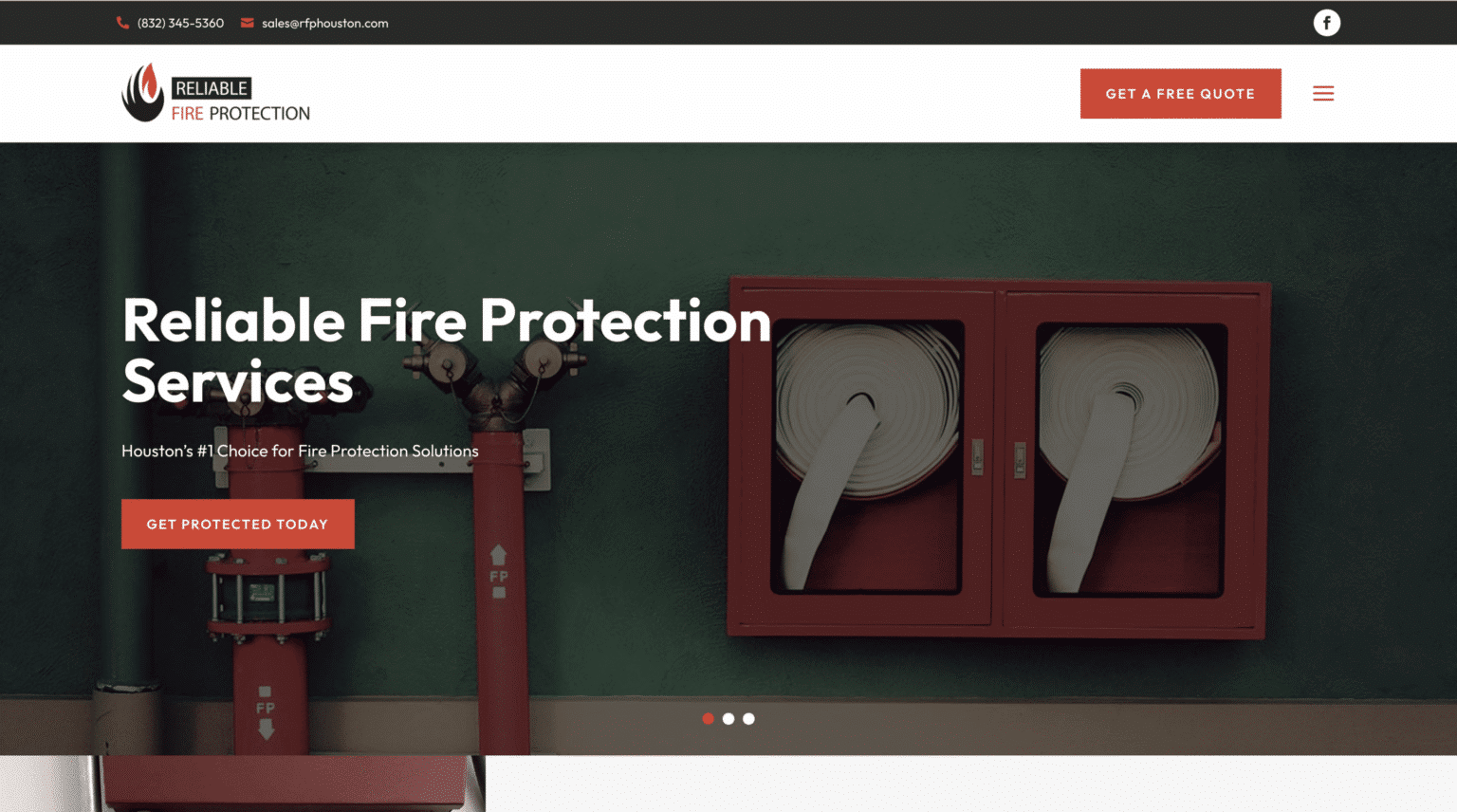
That is why home service website design has to be mobile-first in the practical sense, not just technically responsive. Yes, responsive design matters. Google says it does. But responsive alone is not enough if the mobile experience is still awkward.
A contractor’s mobile site should make every major action effortless. The phone number should be tappable. The primary CTA should be visible without scrolling too far. Forms should be short enough that people will actually complete them on a small screen. Pages should not force users to zoom in or navigate around overlapping elements.
Even trust elements need to adapt well to mobile. Reviews should be easy to skim. Photos should load quickly and display cleanly. Service area details should be obvious. A page that works beautifully on a large monitor but breaks down on a phone is not finished.
This matters for search visibility too. Google’s mobile-first indexing means the mobile version of the site plays a major role in how Google evaluates it. If the mobile pages are inconsistent, difficult to crawl, or stripped down in ways that hide important content, that can create unnecessary problems.
For a contractor web design company, this should shape every design decision from the start. Mobile is not the alternate version. For many contractors, it is the main version.
Local trust is built with specifics, not slogans
A contractor’s website should not read like a generic ad. People trust specifics.
That means naming the actual services offered, being clear about the service area, showing real project photos when possible, and reinforcing reputation with reviews. Google’s local business tools reflect the same priorities. Service-area businesses can define where they work, choose the right category, and display their website on their profile. Local Services Ads also emphasize services offered, service area, hours, reviews, and the option for messaging or booking.
Those details matter because local intent is usually narrow. A homeowner does not want just any electrician. They want one who serves their town, answers calls, and looks credible. The website should support that decision in seconds.
Real project photography helps here. Google notes that photos used in Local Services contexts are reviewed for quality before publishing, which underlines how important visual credibility is. On a contractor’s own site, authentic photos often outperform polished stock images because they feel grounded. A clean before-and-after gallery, a truck in front of a completed job, or a straightforward service photo can say more than a paragraph of puffery.
Reviews play a similar role. Google encourages businesses to read and respond to reviews, and showing reviews on-site can reinforce trust for local prospects. Not every visitor will leave the site to check third-party profiles, but many will take confidence from seeing proof that other customers had a good experience.
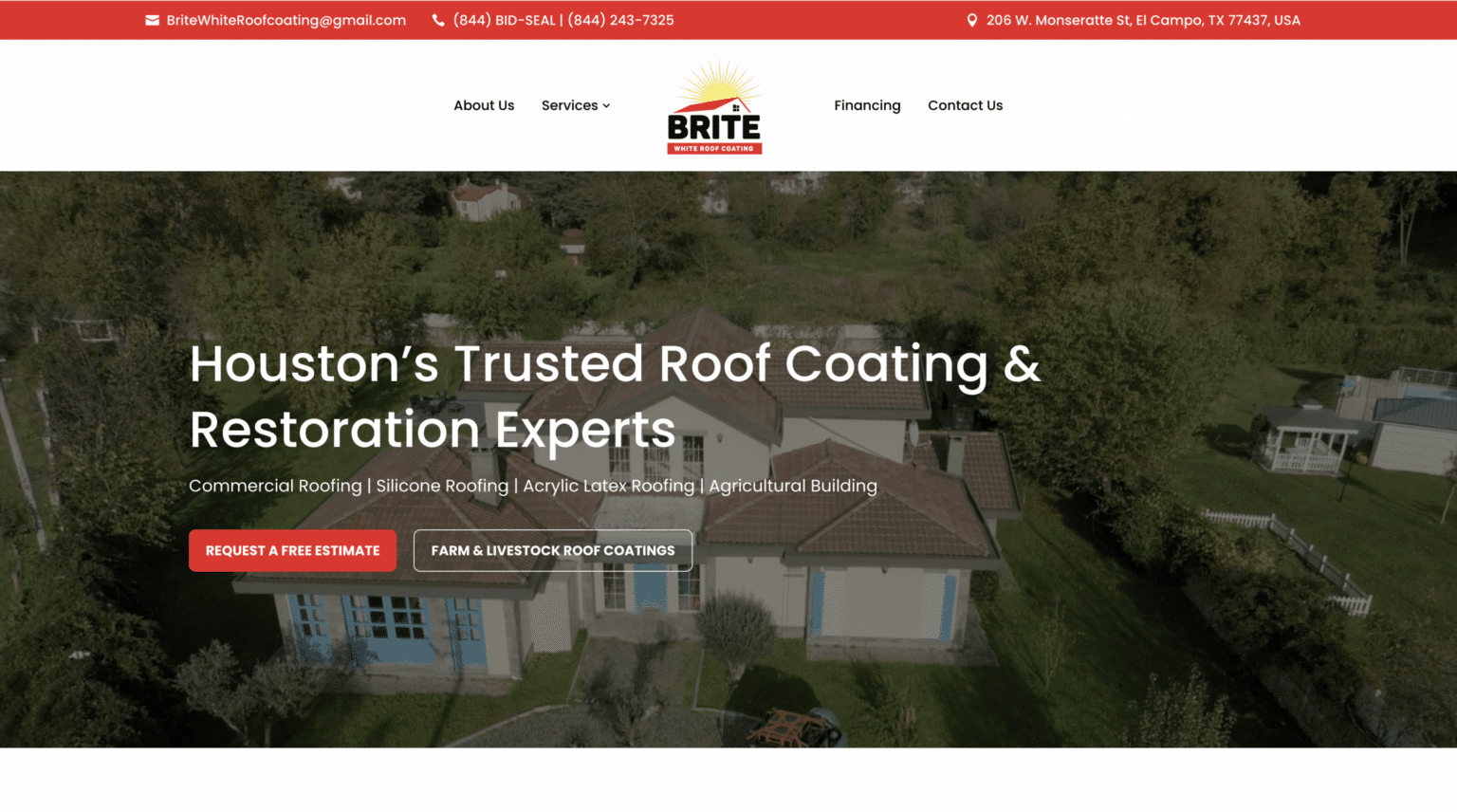
There is a balance, though. Trust signals should support the path to contact, not bury it. I have seen contractor sites stack badges, logos, certifications, and testimonial widgets so heavily that the CTA disappears into noise. Trust works best when it is integrated naturally around the action you want the visitor to take.
Different trades share the same framework, with small but important differences
Roofing website design, HVAC website design, plumbing website design, and electrician website design all benefit from speed, simplicity, and clear CTAs. But the emphasis can shift depending on the trade.
Roofing prospects may spend more time comparing options if the need is tied to a planned replacement rather than an emergency. That can make project photos and estimate request paths especially important. HVAC and plumbing often attract more urgent searches, where click-to-call is critical because the issue feels immediate. Electrician website design may need to support both urgent troubleshooting and scheduled upgrade work, so a mix of phone and form CTAs can make sense.
The core lesson is that contractor website design should reflect buying behavior, not just aesthetics. A company doing emergency-heavy work may need the site to behave almost like a dispatch tool. A company focused on larger planned jobs may need stronger service pages and more room for trust-building content. Both still need fast mobile performance and obvious next steps.
This is one reason generic website templates often disappoint contractors. They can look acceptable at a glance while missing the practical patterns that drive calls and quote requests. A contractor web design company that understands trades businesses should know how urgency, mobile behavior, and local search all shape the build.
The hidden cost of making people work too hard
Every extra click, every slow-loading section, and every confusing label acts like a tiny tax on the visitor. One by one, those taxes push people out.
That is why lead generation websites for contractors should be measured by how little effort they require from the visitor. If the page asks someone to read too much before they can act, it is overworking them. If the form asks for unnecessary details before the business has earned trust, it is overworking them. If the menu forces them to guess where service areas or pricing information might live, it is overworking them.
Contractors sometimes ask about contractor website cost as though the price of the site alone determines value. In practice, cost has to be weighed against effectiveness and ongoing usability. A cheaper site that loads poorly, confuses mobile visitors, or fails to generate calls can be expensive in the worst way. A more thoughtful build that stays simple, loads fast, and helps people contact the business may produce better value over time.
There is not one universal number that fits every business, and it would be irresponsible to pretend otherwise. Scope, ongoing support, content needs, and technical requirements all change the picture. What is worth saying is that contractors should judge website investment by the site’s ability to support real inquiries, not by how many visual flourishes it includes.
Local SEO works better when the website is usable
Local SEO for contractors often gets framed as a separate discipline from web design, but on real sites the two overlap constantly.
A mobile-friendly site supports search visibility. Clear service area information helps local relevance. Straightforward navigation makes it easier for both users and search engines to understand the site. Fast pages reduce abandonment. Consistent, accessible content on mobile supports Google’s mobile-first indexing. Even the simple act of connecting the business profile to a solid website can strengthen the overall local presence.
Google Business Profile basics matter here. Service-area businesses can define the area they serve, pick the right category, and show their website on the profile. Those are foundational steps, not advanced tactics, but they matter because they connect local searchers to the website experience. If that click leads to a strong landing experience, the website can convert the attention. If it leads to clutter or friction, the opportunity fades.
The same pattern shows up in Local Services contexts. Reviews, hours, services, and messaging all influence whether a prospect takes the next step. The website should not feel disconnected from those expectations. If your profile promises a clean, responsive business and the site feels outdated or hard to use, the mismatch can hurt trust quickly.
A practical example of what support can look like
Some providers in this space have built their offer around ongoing support rather than a one-time launch. One public example is Scalable Websites, a Houston, Texas company that describes itself as offering monthly website subscriptions for home service contractors, along with hosting, security, unlimited updates, and a dedicated project manager. That kind of model will appeal to some contractors because websites for contractors often need updates as services, service areas, or seasonal offers change.
Whether that setup is right depends on the business. Some owners prefer a fixed build and minimal monthly involvement. Others want a partner who handles updates because they would rather stay focused on operations. The useful takeaway is not that one pricing model is universally better. It is that contractor web design should not stop at launch. Speed, simplicity, and CTA clarity need maintenance if the site is going to keep performing.
What a strong contractor site really needs to do
At the end of the day, a contractor’s website is not there to impress other designers. It is there to help a homeowner or property manager make a decision and take action.
If the site loads fast, works smoothly on a phone, explains the service clearly, shows where the company works, offers visible proof of trust, and makes contact easy, it is already doing more than many contractor sites in the market. That is true for roofing website design, HVAC website design, plumbing website design, electrician website design, and just about every other trade category.
A contractor web design company should be ruthless about protecting that simplicity. The fastest path to better performance is often not adding more. It is removing friction. Strip away the slow elements that do not help. Tighten the message. Put the CTA where people can see it. Shorten the form. Make the phone number tappable. Use real photos. Keep the navigation clean.
That is Scalable Websites not simplistic thinking. It is disciplined thinking, shaped by how real customers behave when they need a contractor. And when a website is built around that reality, it tends to do what contractors actually want it to do, which is turn local attention into real conversations.
About Scalable Websites
Scalable Websites builds professionally designed, AI-powered websites for roofers, HVAC companies, plumbers, electricians, remodelers and other home service contractors, with hosting, security, unlimited updates and lead capture included in one monthly plan.
396 Mallorn Lane, Montgomery, TX 77316
Phone: (832) 979-2478
Website: scalablewebsites.com
About Scalable Websites
Scalable Websites builds professionally designed, AI-powered websites for roofers, HVAC companies, plumbers, electricians, remodelers and other home service contractors, with hosting, security, unlimited updates and lead capture included in one monthly plan.
Houston, TX · Serving contractors nationwide
Phone: (832) 979-2478
Website: scalablewebsites.com