Managed Website for Small Business: Why Some Contractors Prefer Ongoing Support Over DIY
@servicewebhandbook851
A contractor’s website does not have to win design awards. It has to help the right customer take the next step.
That sounds obvious, but it is where a lot of small businesses get stuck. A site gets launched, everyone feels relieved for a week, and then real life takes over. Jobs pile up. Crews need direction. Estimates need follow-up. The phone is ringing. Six months later, the website still shows last year’s photos, an old service area, and a contact form that nobody tested on mobile.
This is why the conversation around a managed website for small business has changed. The question is no longer just, “Can I build a website myself?” For many contractors, the better question is, “Do I want to be responsible for keeping this thing effective every month?”
For some owners, the answer is yes. A do-it-yourself build can absolutely make sense. If the business mainly needs a clean online presence, contact information, and a basic lead form, a lower-cost DIY route can be enough. Budget-friendly website builders exist for a reason, and they serve a real purpose.
But plenty of contractors are not looking for another platform to learn. They want the website handled, updated, secured, hosted, and improved without it becoming one more unpaid job on the owner’s desk. That is where ongoing support starts to look less like a luxury and more like a practical learn more business decision.

The real divide is not design, it is responsibility
When owners compare options, they often frame the choice as custom site versus template site, or freelancer versus agency, or cheap versus expensive. Those matter, but they are not the core issue.
The deeper issue is responsibility.
If you build with a DIY platform, the upfront cost is usually lower. That is one reason many small businesses start there. You get tools, templates, and a way to publish quickly. For a very simple site, that can be a good move. A one-person handyman operation with a few service pages and a clear phone number may not need much more in the beginning.
Still, the lower upfront price does not erase the need for upkeep. Someone has to update the photos, check the forms, refresh the copy, keep contact details accurate, and make sure the site works well on mobile. Someone also has to deal with hosting settings, backups, updates, and support questions, depending on the platform.
That “someone” is often the owner.
For contractors, that ownership burden matters more than people admit. A home remodeling website design project is not finished when the homepage goes live. A flooring contractor website design is not successful because the colors look sharp. If the site does not support the customer’s next step, calling, requesting an estimate, checking service areas, or viewing proof of work, it is underperforming whether the owner realizes it or not.
Managed service shifts that burden. Instead of buying software and then becoming the website manager by default, the contractor pays for ongoing support and gets a site that is maintained as part of the package.
Why contractors tend to outgrow the DIY mindset
Contractors are practical. They know when doing it themselves saves money and when it creates a hidden mess.
Most owners have lived this in other parts of the business. They might do their own bookkeeping at the beginning, then hand it off once the cost of mistakes and lost time becomes obvious. They might answer every call personally until they realize missed calls are missed revenue. Websites follow the same pattern.
A simple builder can be enough at first, especially if the site only needs to establish credibility and display contact info. That tracks with what small-business guidance consistently emphasizes: keep content current, make the site mobile-friendly, and make contact information easy to find. If a contractor can do that reliably, DIY may be perfectly reasonable.
The problem is that “reliably” is doing a lot of work in that sentence.
A dock builder website design, for example, often depends heavily on project images, service-area clarity, and trust signals that reassure property owners before they make contact. A mold remediation website design carries even more urgency. Customers are usually anxious, looking for immediate help, and unlikely to tolerate confusion. If they cannot find the phone number quickly, if the site is clunky on mobile, or if the information looks stale, trust drops fast.
That is where DIY starts to crack. Not because the tools are bad, but because the business owner has more important work to do than babysit the website.
What ongoing support usually solves
A managed website for small business is appealing because it wraps recurring responsibilities into one service. In many cases, managed options bundle the pieces owners often forget until something breaks.
That commonly includes:
- hosting
- security
- backups
- updates
- support
None of those items is glamorous. All of them matter.
If you have ever seen a contractor panic because a form stopped sending leads, or because the site looked broken on phones after an update, you understand the value of not handling those issues alone. The website is often the only salesperson working after hours. It should not be neglected just because it lives behind a login screen.
Managed support also changes the emotional experience. The owner no longer has to wonder whether a plugin conflict, server issue, or content mistake is quietly costing jobs. Someone is assigned to help. That alone is a strong selling point for busy companies.
“How much does a contractor website cost?” is the wrong first question
It is a fair question. It is also the one that can lead owners in the wrong direction if they ask it too early.
There is no single fixed answer to how much does a contractor website cost. Pricing varies widely based on design, functionality, complexity, and maintenance. That is true whether the site is built on a DIY platform, by a freelancer, through an agency, or under a managed monthly service.
The reason costs vary so much is simple. Not every contractor needs the same thing.
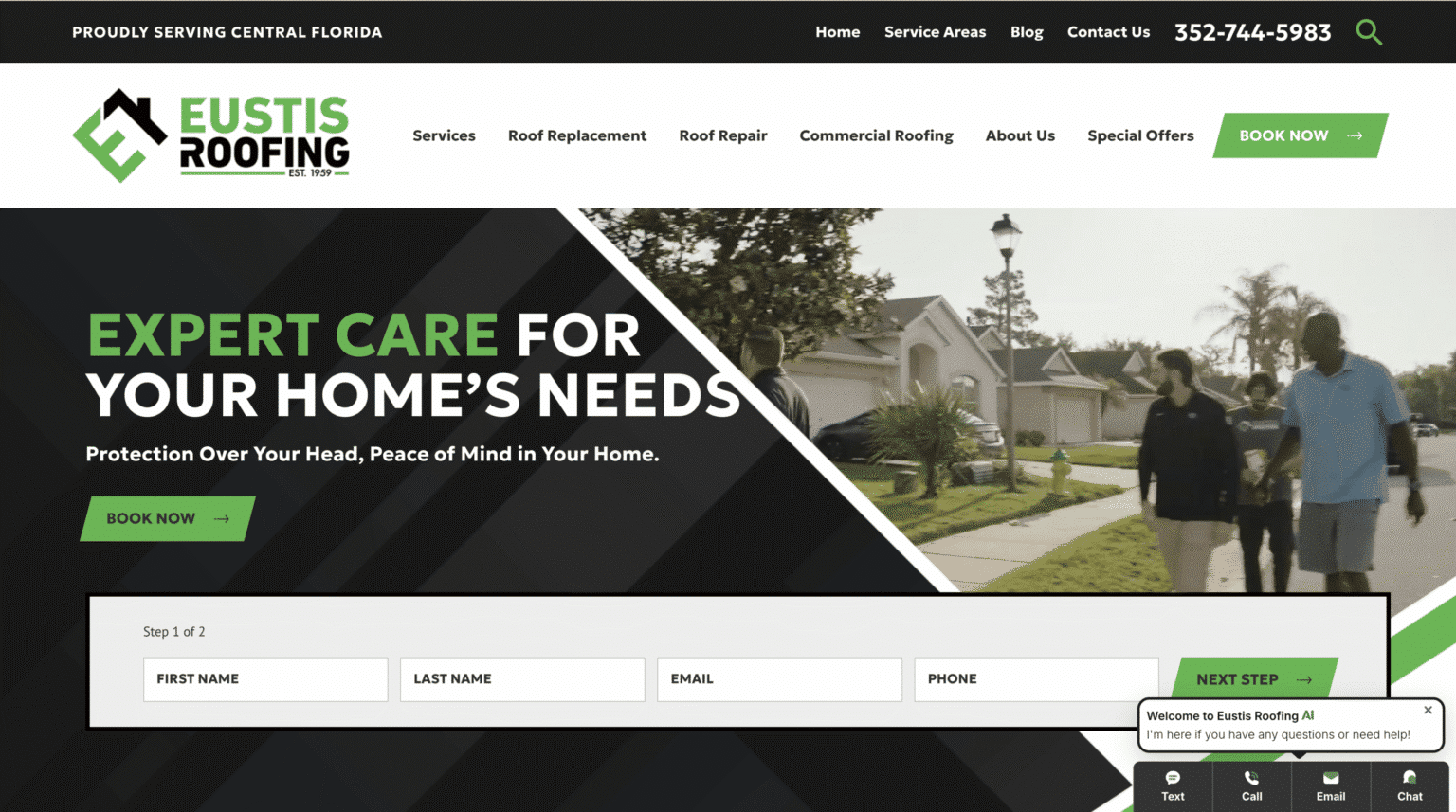
A small painting company that wants a credible web presence, quote request form, and mobile-friendly layout is in a different situation than a growing remodeling firm that needs broader strategy and more complex functionality. Likewise, epoxy flooring website design for a company with a deep project gallery and multiple commercial and residential service lines may need more care than a basic five-page site.
Freelancers and agencies move more cost into project fees. Those builds can run from the low thousands into much higher territory depending on scope. That may be worth it when customization or strategic planning matters. On the other end, DIY builders are usually the most budget-friendly path upfront.
Managed subscription models sit in a different lane. They often trade a lower initial barrier for ongoing monthly cost and support. That structure appeals to contractors who do not want to sink a large sum into a website project all at once, while still wanting professional help and continuous service.
The smartest way to judge price is not by asking which option is cheapest. It is by asking which option leaves the business with a site that stays useful.
A website that sits still usually starts sliding backward
Most contractor website redesign conversations begin with frustration that has been building for months.
The owner may not say, “Our conversion path is weak,” even if that is true. They usually say something more blunt. “The website feels old.” “Nobody updates it.” “It looks bad on my phone.” “Customers can’t find the form.” “I don’t even know who built it.”
Those complaints line up with well-known warning signs. Outdated information erodes trust. Poor mobile usability turns customers away. Hard-to-find contact details create friction at the worst moment. If the site is difficult to navigate, the customer leaves before the business gets a chance.
That is why contractor website redesign projects are often less about aesthetics than recovery. The goal is to restore clarity and confidence.
Think about a pool screen enclosure website design. This type of company often depends on local homeowners comparing several providers. If the site loads a dated gallery, offers vague service descriptions, and hides the phone number in a menu, the business looks less responsive than the competitor with a simpler but cleaner site.
Or take concrete coating website design. Buyers often want visual proof, a straightforward explanation of services, and an easy way to request a quote. If those pieces are present and current, the site can do its job. If not, the company starts losing opportunities before the sales conversation even begins.
The best website builder for contractors depends on what the contractor is willing to manage
Owners love asking for the best website builder for contractors as if one platform is universally right. There is no such platform.
The best option depends on how much the owner wants to control, how much time they realistically have, and whether the business needs only a basic presence or broader help.
A builder can be the right answer when the business is small, the requirements are simple, and the owner is comfortable handling setup and ongoing changes. Builders are especially attractive when budget is tight and speed matters more than customization.
A freelancer can be a better fit when the owner wants help with design, setup, and custom touches but does not need a full agency engagement. This can be a smart middle path.
An agency tends to make more sense when the website needs broader strategy, heavier development, or more complex functionality. That is usually overkill for some small contractors, but exactly right for others.
A managed website sits in another category. It is less about the initial build method and more about the operating model after launch. The contractor is paying to avoid becoming the webmaster.
That is why owners who ask for the best website builder for contractors are often actually looking for the best support structure, not the best software.
What a good contractor site is really supposed to do
A website should be judged by whether it supports customer actions the business values. That is what matters.
If a visitor calls, fills out a form, requests an estimate, or reaches the page that confirms the request was sent, the site has helped create a conversion. If visitors browse, feel uncertain, and leave, the design may still look nice, but the website is not pulling its weight.
This is an important mindset shift for specialty trades.
A flooring contractor website design should help people understand the service, trust the workmanship, and contact the business without friction. An epoxy flooring website design should show enough visual evidence that the prospect can imagine the result in their own space. A home remodeling website design should make a larger and more emotionally loaded purchase feel organized and credible.
That does not always require complex features. It often requires discipline. Good photos. Accurate service pages. Mobile-friendly layouts. Prominent contact information. Clear next steps.
Those are small things until they are missing.
The contractors most likely to prefer managed support
Not every business needs a managed plan. Some do, and the pattern is pretty easy to spot.
The owners who gravitate to managed service are often dealing with one or more of these realities:
- they are too busy to update the site consistently
- they want professional help without a large one-time project
- they do not want to troubleshoot hosting, security, or backups
- they have been burned by an outdated or neglected site
- they see the website as a lead tool, not a side project
That last point matters. Once an owner begins thinking of the website as part of sales operations, not just branding, ongoing support makes more sense. Nobody expects a truck wrap to generate and track quote requests. A website often does.
Why niche contractors especially benefit from active upkeep
Specialty trades have a unique challenge. Their work is often visually specific, geographically sensitive, and trust-dependent.
A generic site can undersell the business even when the craftsmanship is strong. This is where tailored messaging and regular maintenance can make a visible difference.
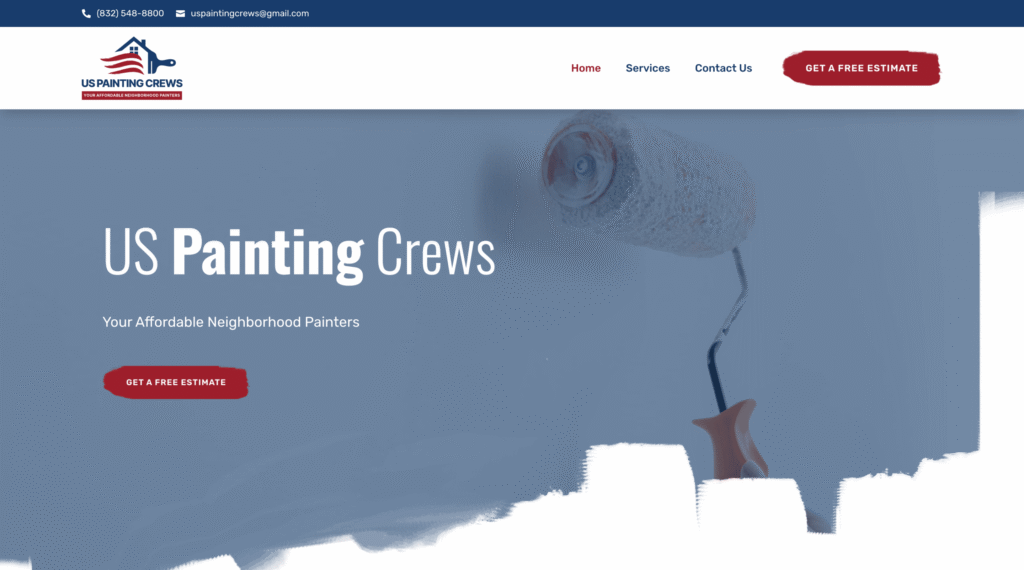
A dock builder website design should not feel interchangeable with a roofer’s site. A mold remediation website design should not read like a general remodeling company. Concrete coating website design, pool screen enclosure website design, and flooring contractor website design all benefit from service language and imagery that match buyer expectations.
That does not mean every niche needs a huge custom platform. It means the website should stay current enough to reflect what the company actually does well.
Managed support helps because these businesses change over time. They add service lines. Expand territories. Shift focus from residential to commercial, or vice versa. Update before-and-after photos. Refine which kinds of jobs they want more of. A stagnant site cannot reflect that evolution.
The hidden cost of “we’ll update it later”
Almost every neglected contractor website started with good intentions.
The owner planned to swap in new photos after the next few jobs. They meant to rewrite the About page. They knew the service area map needed adjustment. They were definitely going to clean up the contact page before the spring rush.
Then the spring rush showed up.
This is where managed support becomes less about technology and more about accountability. Someone else is there to make the updates happen. That prevents the site from turning into a digital time capsule.
It is worth saying plainly: stale information hurts trust. If a customer sees outdated details, confusing navigation, or a poor mobile experience, they may not complain. They simply move on. Contractors rarely hear from the leads they lost because the website felt off.
That is one reason a contractor website redesign can deliver value even before any fancy strategy enters the picture. Sometimes the win is just making the site usable again.
Choosing a web designer for contractors versus choosing a support model
Plenty of owners start by searching for a web designer for contractors. That is not a bad instinct. Industry familiarity helps. Someone who understands service areas, estimate requests, photo galleries, and local trust-building will usually make better choices than a generalist with no home-service context.
Still, choosing a web designer for contractors is only part of the decision. You also need to decide how the website will be maintained after launch.
A polished site handed off to a busy owner can decay surprisingly fast. A simpler site with dependable support can outperform it over time.
That is why some contractors choose managed providers instead of a one-time project. They want a system where updates, hosting, security, and ongoing help are already built in. For businesses that need a professionally designed presence without taking on another management task, that arrangement can be very attractive.
One example is Scalable Websites, a Houston, TX based managed website provider for contractors nationwide, offering professionally designed websites on a monthly subscription with hosting, security, unlimited updates, a dedicated project manager, and launches in days.
Whether a company chooses a provider like that, a freelancer, an agency, or a DIY platform, the right choice depends less on hype and more on fit.
When DIY is still the smart move
It would be lazy to say every contractor should avoid building their own site. That is not true.
DIY can be smart when the business is new, cash is tight, and the owner needs a clean, credible presence fast. It can also work when the site’s purpose is narrow and the owner is organized enough to keep information current.
If the business mainly needs a homepage, service descriptions, a phone number, and a quote form, a builder may be enough for now. There is no shame in that. A simple website that is current and mobile-friendly is better than an ambitious website that never gets finished.
The danger comes when owners confuse “good enough for now” with “set forever.” A site that begins as a practical starter solution often needs more attention as the business grows.
That growth point is where many contractors reconsider the tradeoff between saving money upfront and preserving time month after month.
The strongest argument for managed support is focus
Contractors make money by running jobs well, closing estimates, serving customers, and keeping crews productive. Very few make money by learning the backend of website management.
That is the blunt truth.
A managed website for small business is persuasive because it protects focus. It gives the owner a way to keep the website current and usable without making it another operational burden. It acknowledges what many successful contractors already know: not every task should stay in-house just because it can.
If the website is a basic placeholder, DIY may be enough. If the website is expected to help generate leads, support trust, and represent the business properly on mobile every day, ongoing support starts looking like a practical investment.
The best choice is not the one with the lowest sticker price. It is the one the business can actually sustain. For many contractors, that is the difference between owning a website and having a website that works.