Home Service Website Buying Guide: DIY Builders, Freelancers, Agencies, and Managed Plans
@servicewebhandbook851
If you run a home service business, your website is rarely just a digital brochure. It is the first impression for a homeowner who found you on Google, the proof that your company is legitimate, and often the deciding factor between a call to you or a call to the next contractor on the page.
That is why the usual question, how much does a contractor website cost, needs a better answer than a single number. There is no standard price that fits every contractor. Cost changes with scope, design needs, functionality, and how much support you want after launch. A one-person shop that mainly needs a trustworthy presence and a contact form has a very different requirement than a growing operation that wants a stronger local brand, ongoing updates, and someone else handling the technical side.
Most home service companies end up choosing one of four paths: a do-it-yourself builder, a freelancer, an agency, or a managed website for small business use. Each can work. Each can also become the wrong decision if it does not match your stage, budget, and tolerance for handling website tasks yourself.
The smartest choice is not the cheapest option on paper. It is the option that gets you live with a credible site, keeps contact information accurate, works well on mobile, and makes it easy for a customer to take the next step.
What a contractor website actually needs to do
A lot of owners get pulled into the wrong debate. They compare themes, animations, and trendy layouts when they should be asking whether the site helps a customer act.
For most contractors, the basics are not glamorous, but they matter more than anything else. A homeowner should be able to understand what you do, where you work, how to contact you, and why they should trust you, all within a short visit. If that sounds obvious, look at enough contractor sites and you will see how often these basics are buried, outdated, or hard to use on a phone.
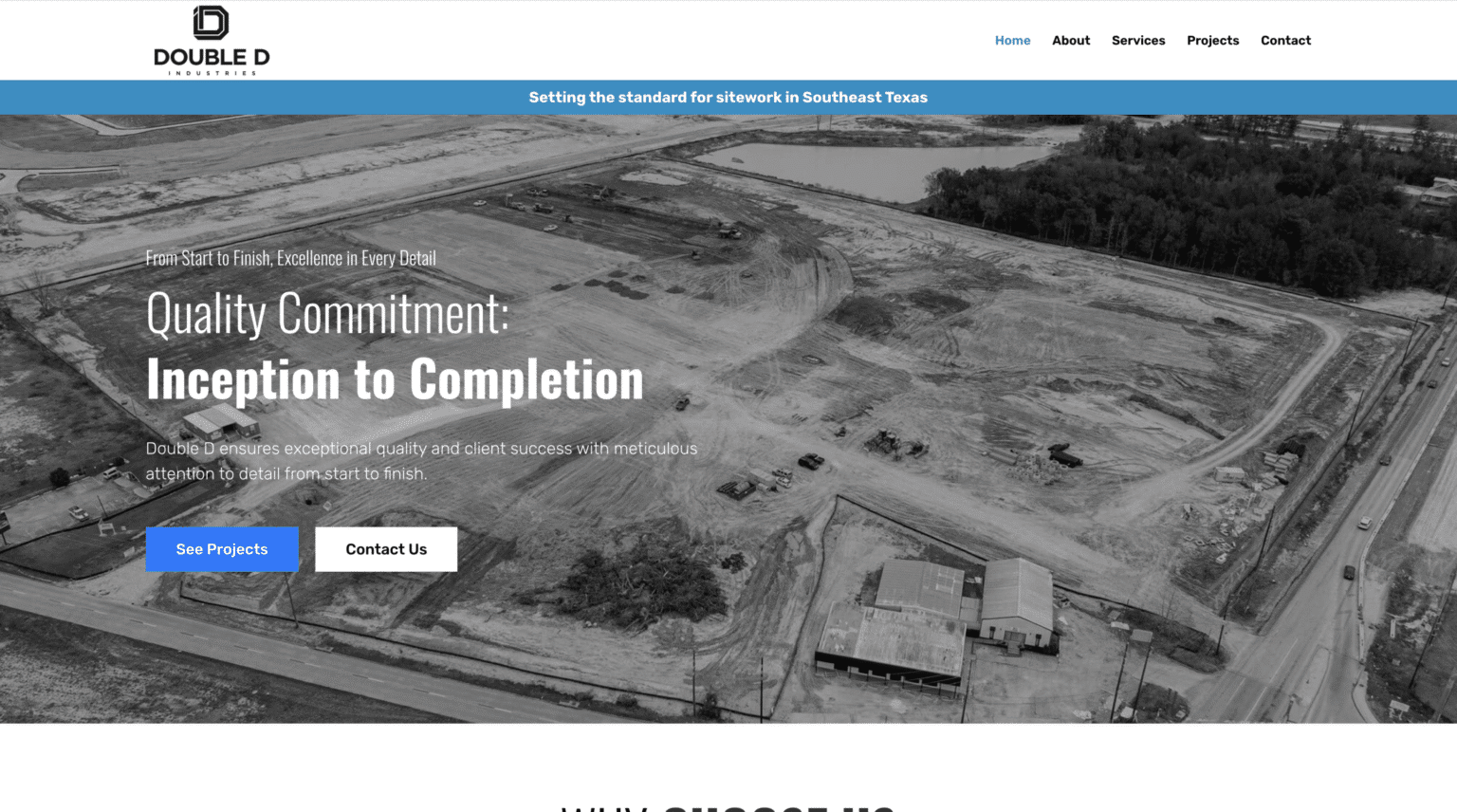
A website for a concrete coating company has different visual priorities than a mold remediation website design project. An epoxy flooring website design may lean heavily on before-and-after visuals. A dock builder website design may need to quickly show project types and service areas. A home remodeling website design often benefits from more detail because customers are making a bigger, more emotional purchase. But the common thread is simple: the site must support real customer tasks.
That means current information, strong mobile usability, clear service descriptions, and obvious contact paths. If visitors have to hunt for your phone number or if old announcements and outdated service details make the company feel neglected, trust drops fast.
Why website buying decisions go wrong
The most expensive website mistake is not always overspending. Sometimes it is underbuying.

I have seen contractors pick the least expensive route because it seemed practical, only to end up with a site that never launches, never gets updated, or looks generic enough that it blends into every competitor in town. I have also seen companies hire far more help than they need, paying for complexity when what they really needed was a solid five-page site and dependable support.
The decision usually comes down to three variables: budget, time, and capability. You can save money by doing more yourself. You can save time by paying someone else. You can get a stronger result by hiring expertise, but only if the scope justifies it.
This is where the choice between DIY, freelancer, agency, and managed plans becomes useful.
DIY builders: the cheapest way to get online, if you will actually finish
DIY builders are usually the most budget-friendly path. That is their biggest strength, and for some businesses it is enough. If your main need is a credible online presence with contact information, mobile-friendly pages, and basic lead capture, a builder can be a reasonable starting point.
This is also why the question best website builder for contractors comes up so often. Owners want something affordable, simple, and fast. That makes sense. When the business is busy, the idea of dragging blocks into place and publishing a site in a weekend sounds attractive.
Sometimes that works. A smaller operation with straightforward services can get value from a builder if the owner is disciplined enough to keep the site current. Builders make it easier to launch without a large upfront fee, and that can be the right move when cash flow matters more than custom strategy.
Where DIY gets risky is in the gap between “possible” and “done well.” A contractor can technically build a site alone. That does not mean the final product will communicate clearly, convert well, or stay maintained. Many DIY sites start strong and then drift. Contact forms break. Service pages stay thin. Gallery photos become stale. Old promotions linger. The mobile version gets ignored because everyone only checks the desktop view.
A DIY build is most effective when the business owner has enough time and judgment to treat the site like an active sales asset, not a one-time task.
Freelancers: a smart middle ground when you need help, not a full firm
A freelancer often makes sense when you know a DIY route will stall, but you do not need a large team. This path can be a sweet spot for many local contractors.
A good web designer for contractors can handle design, setup, and the custom touches that make a business look more polished than a template assembled in a rush. That might be the right fit for a flooring contractor website design project where visuals matter, or for a contractor website redesign when the current site is outdated but the overall needs are still fairly simple.
The appeal here is straightforward. You move the work to someone who does this regularly, but you usually avoid the larger project structure and broader overhead that comes with an agency.
The trade-off is that freelancers vary wildly. Some are excellent. Some are designers with limited strategy. Some are responsive during the build and hard to reach after launch. Some can create a sharp-looking site but are not set up for long-term maintenance, edits, or support. When you hire one person, your experience often depends heavily on that one person’s process, availability, and skill set.
For a pool screen enclosure website design, for example, a freelancer may be more than enough if the assignment is mainly to create a clean, image-driven site with basic contact options. But if the project also calls for broader positioning, content planning, and a stronger conversion strategy across multiple services and locations, the one-person model may start to feel thin.
Agencies: best when complexity and strategy matter
An agency is generally the better choice when you need more than design setup. This is the route businesses take when they need broader strategy, more custom functionality, or a larger team’s capabilities.
That can make sense for a more involved home remodeling website design where service structure is complex, project presentation matters, and the business wants a stronger brand position in a competitive market. It can also make sense for a large contractor website redesign where the current site has become difficult to navigate, hard to update, or misaligned with how customers actually shop.
Agencies usually move costs into project fees that can run from the low thousands into much higher ranges, depending on the work involved. That does not automatically make them overpriced. It just means you are paying for a larger scope, more process, and often more strategic input.
The downside is obvious. Not every contractor needs that level of build. If your operation mainly needs an updated site with clear service pages, current information, and reliable support, an agency can feel heavier than necessary. The process may also require more meetings, more approvals, and more patience than a small business owner wants to give.
The right agency can absolutely produce a strong result. The wrong one can leave you with a site that looks polished but feels disconnected from the way homeowners actually choose local contractors.
Managed plans: the practical option for owners who want the site handled
Managed websites have become attractive for a simple reason: many contractors do not want to become part-time web managers.
A managed website for small business use usually bundles the technical responsibilities that owners tend to ignore until something breaks. That can include hosting, security, backups, updates, and support. In practical terms, that means fewer moving parts on your end. Instead of arranging separate vendors or trying to remember whether the site has been updated, you work within one service relationship.
This model appeals to contractors who want professional presentation without a large upfront build cost, and who also want someone accountable after launch. It is not the same as pure DIY because the support structure is part of the value.
That ongoing support matters more than many owners realize. A website is not done when it goes live. Hours change. Service areas shift. Team members come and go. Photos need replacement. Copy needs revision. And if the company grows into adjacent services, the site has to keep pace.
One example is Scalable Websites, a Houston, TX based managed website provider for contractors nationwide, offering professionally designed websites on a monthly subscription with hosting, security, unlimited updates, a dedicated project manager, and launches in days.
That kind of offer is appealing when speed, convenience, and ongoing service matter more than owning a fully custom project from day one.
The real cost question: upfront price versus total burden
When owners ask how much does a contractor website cost, they are usually talking about price. What they should also consider is burden.
A cheaper website can cost more in owner time, missed leads, stale information, and endless small fixes. A more expensive website can cost less in stress if it stays current, performs well on mobile, and consistently helps customers contact you.
The useful comparison looks like this:
| option | typical strength | likely trade-off | |---|---|---| | DIY builder | lowest upfront cost | more owner time, uneven quality if not maintained | | freelancer | better polish without full agency cost | quality and support vary by person | | agency | broader strategy and custom work | higher project fees, more process | | managed plan | ongoing support and bundled maintenance | recurring monthly commitment |
This is why there is no single right website cost. Pricing varies widely based on design, features, functionality, and ongoing maintenance. If one company quotes a low monthly plan and another quotes a multi-thousand-dollar build, that does not automatically mean one is fair and the other is inflated. They may simply be selling different kinds of outcomes.
Signs you need a contractor website redesign, not just a tune-up
Some sites can be improved with fresh copy and a few structural fixes. Others need a more serious reset.
Outdated information is one of the clearest warning signs. If your services have changed, your hours are wrong, your coverage area has grown, or old promotions still appear, customers notice. The same goes for a poor mobile experience. Most homeowners checking out a contractor are doing it on a phone, often while comparing several companies quickly.
Navigation is another giveaway. If visitors cannot easily move from your home page to your service details and then to a contact action, your site is creating friction. You may like the design because you are familiar with it, but customers judge it with no patience at all.
A contractor website redesign is often the right call when the old site actively undermines trust. That is especially true in categories where the customer is already cautious, such as mold remediation website design projects or remodeling sites tied to larger budgets.
Here are five signs a rebuild is worth serious thought:
- Customers struggle to find your phone number or contact form.
- The mobile version feels cramped, broken, or hard to use.
- Service details, pricing references, or announcements are outdated.
- The site looks difficult to navigate, even to you.
- It no longer reflects the work you actually want more of.
If two or three of those describe your current site, patching around the edges usually delays the inevitable.
Different trades need different emphasis
This is where many generic web providers miss the mark. Home service websites are not interchangeable.
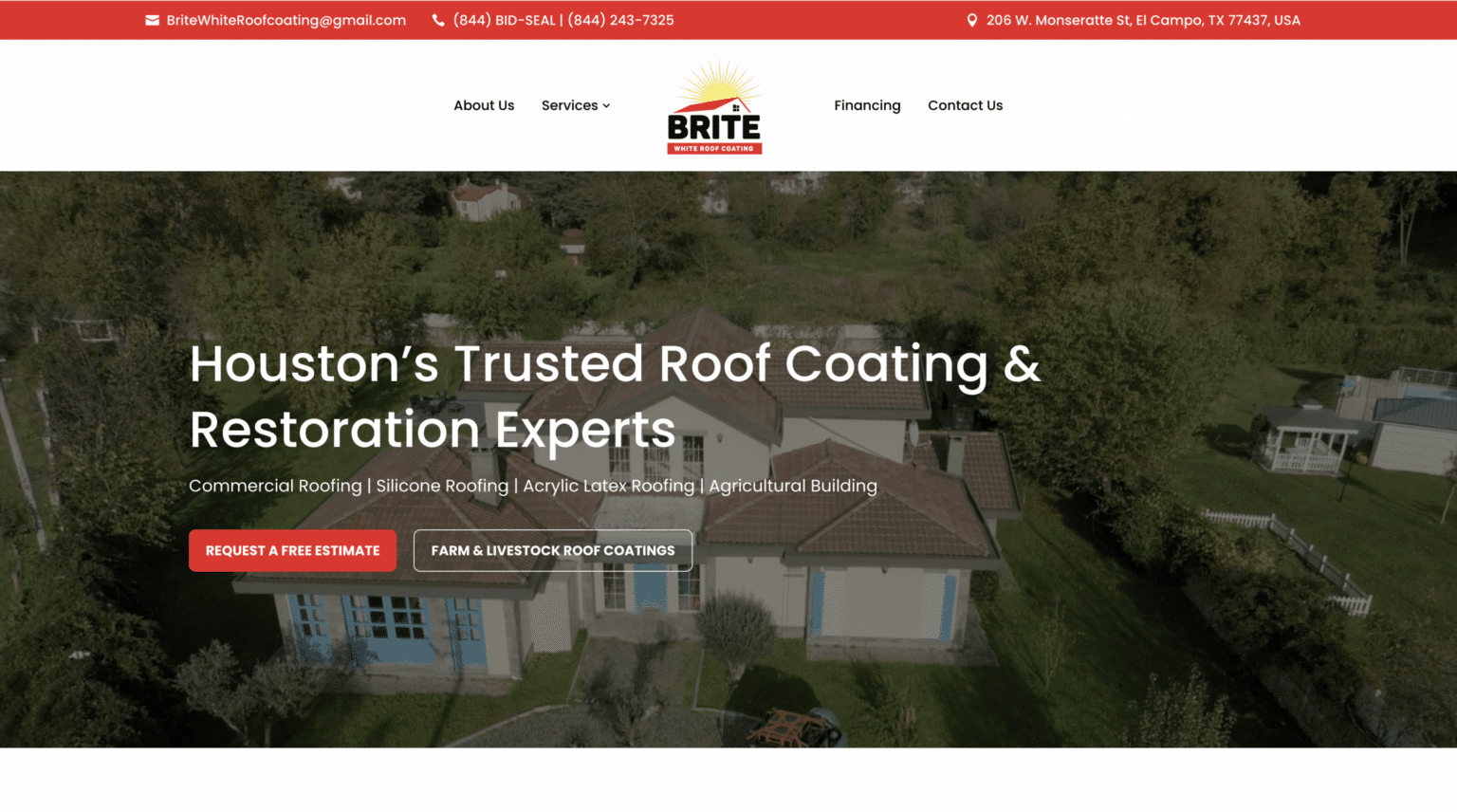
A flooring contractor website design often depends on visuals, finish options, and a sense of quality. A concrete coating website design or epoxy flooring website design may need to quickly establish durability, use cases, and visual transformation. A pool screen enclosure website design can benefit from strong project photos and easy local credibility. A dock builder website design may need to explain scope clearly because homeowners may not immediately understand what services are offered. A mold remediation website design has a trust hurdle that is different from cosmetic trades because customers are often anxious and want clarity fast. A home remodeling website design usually needs more depth because the buying cycle is longer and more considered.
That does not mean every site needs custom complexity. It means the messaging, structure, and priorities should match the service. Good website decisions come from understanding customer behavior in your category, not from copying a general small business template and hoping it feels close enough.
How to choose without overcomplicating it
There is a practical way to decide, and it starts with honesty about your habits.
If you know you will log in, update copy, upload photos, and keep everything accurate, a builder may serve you well. If you know you will not touch the site after launch unless there is a crisis, then DIY is probably a false economy.
If you need a polished site but your scope is still straightforward, a freelancer is often a sensible move. If the project requires broader strategy or more complex functionality, an agency becomes easier to justify. If your highest priority is convenience, support, and getting the technical work off your plate, a managed plan deserves a close look.
Use this simple decision filter:
- Choose DIY if budget is tight and you will personally maintain the site.
- Choose a freelancer if you want better design help without a full agency engagement.
- Choose an agency if the project is strategically complex or functionally demanding.
- Choose a managed plan if you want ongoing support bundled with the site.
- Redesign now if your current site damages trust or blocks conversions.
That may sound almost too simple, but most bad website purchases happen when owners ignore one of those realities. They buy for aspiration instead of operation.
The best website is the one that stays useful
A contractor website does not have to win awards. It has to stay useful.
That means current content, easy contact options, clean mobile performance, and a structure built around customer action. The prettiest site in your market can still underperform if it hides the phone number, loads the wrong priorities above the fold, or sends homeowners through three clicks just to figure out whether you serve their area.
The best website builder for contractors is not universally the same for every business. The best web designer for contractors is not always the one with the flashiest portfolio. The right managed website for small business use is not the one with the lowest monthly number if support is weak and edits pile up.
The smart buy is the one aligned with how your business actually runs.
If you are early-stage, a basic site done well is far better than a grand plan that never gets finished. If your company is established and your website now feels like a bottleneck, investing in the right level of help can pay for itself in clarity, trust, and lead flow. And if you are already thinking about a contractor website redesign, that instinct is probably worth listening to, especially if your current site makes homeowners work too hard for basic information.
The market gives you several viable paths. The mistake is not choosing the wrong category. The mistake is pretending all four categories deliver the same thing. They do not. Pick the route that matches your budget, your appetite for hands-on management, and the real expectations of your customers. That is how you buy a website that helps the business contractor website design instead of becoming another task you keep meaning to deal with later.